Unlimited data.
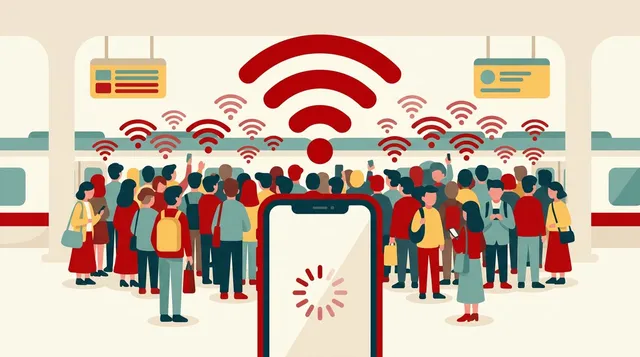
And yet, slow.
“So what was ‘unlimited’ all about?” you think. Yeah, you do.
But this is often a problem of physics, not of your contract.
This article isn’t about any particular company. It’s about how mobile radio works in general.
The 30-second version
- “Unlimited data” and “fast all the time” are different things
- A base station shares its capacity among everyone around it
- The main cause of slowdowns is congestion by place and time of day. It’s separate from signal strength
- What to do: shift the time, change the place, use Wi-Fi
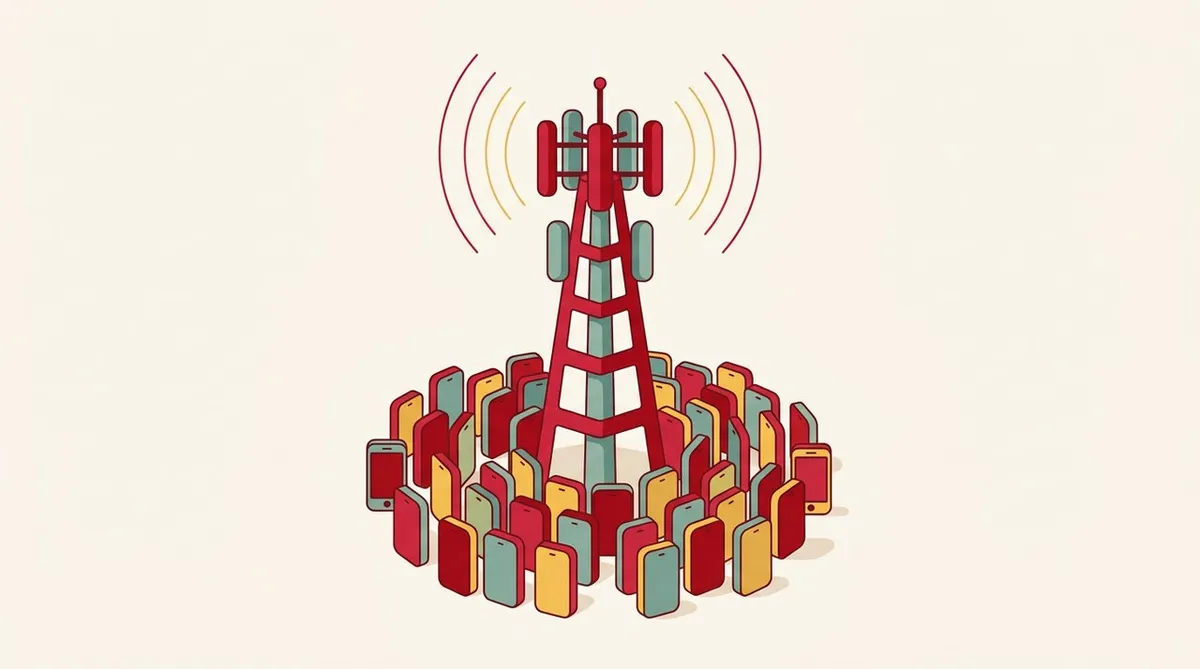
A base station shares “one road”
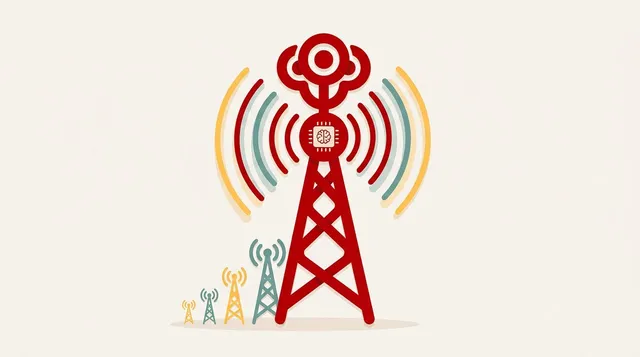
A base station can carry only so much traffic.
Think of a road.
- A wide road (large capacity) lets many cars run
- When cars (users) increase, you get a traffic jam
“Unlimited” means no toll. It doesn’t mean the road won’t jam.
”Bars on your phone” and “fast” are different things
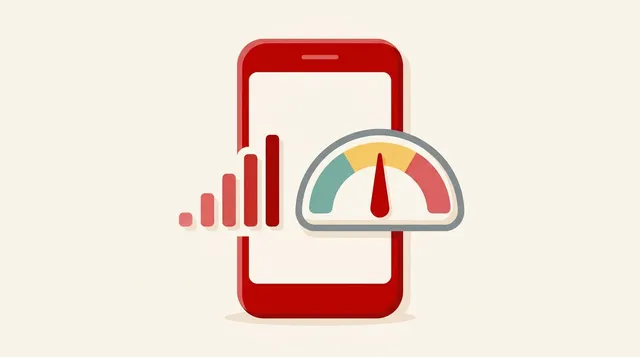
The signal bars on your phone show signal strength.
But speed isn’t decided by signal strength alone. How many people the base station is serving at that moment also matters.
- Even with 5 bars, it can be slow in a crowded place
- Even with 2 bars, it can work normally if nobody is around
It’s generally said that this kind of thing can happen.
The situation of having bars but being slow is also mentioned as a concern in the article on the end of au roaming.
Times and places that tend to be slow
Generally, congestion is likely in cases like these.
- Weekday lunch breaks, and the evening commute home
- Stations, terminals, and shopping facilities
- Venues for big events such as fireworks and concerts
- Inside commuter trains
In these places, many people connect to the same base station at the same time.
What you can try when it’s slow
1. Shift the time Save video downloads and big file updates for times when it isn’t crowded.
2. Move a little Even in the same station, the base station you connect to can change at an exit or at the end of a platform.
3. Use Wi-Fi If you have trustworthy Wi-Fi at home or work, use it. For cautions when using free Wi-Fi, see the free Wi-Fi article.
4. Check which bands your device supports If your device doesn’t support some frequencies, there will be places where it connects poorly. How to check is in another article.
5. Isolating weak signal If the problem isn’t congestion but weak signal itself, check with the steps for weak signal.
”Speed limits” are a separate matter
The “slow because of congestion” above and a “speed limit” are different things.
A speed limit is a mechanism that caps your speed when you meet conditions set by your plan. Which plan has which conditions, please check on your carrier’s official page.
This article doesn’t cover the conditions of any particular plan.
The fix is adding frequencies
The answer to congestion is to widen the road.
- Add base stations
- Add usable frequencies (example: using millimeter wave)
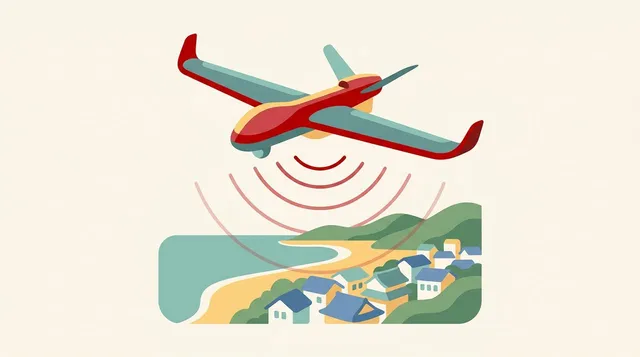
- Use frequencies that reach inside buildings (the platinum band story)
What users can do is measure speed at the places and times they actually use. For an example of real measurements, see the measurement report.
Summary
- Even with unlimited data, congestion can slow you down
- A base station shares its capacity among everyone around it
- The bars on your phone (signal strength) and speed are different things
- What to do: shift the time, change the place, use safe Wi-Fi
- Check the conditions for speed limits on the official page for your plan
Speed changes not only with your contract but also with place and time.
This article contains affiliate advertising. If you apply for a product or service through links on this site, we may receive compensation from partner companies. Additionally, the operator is an employee of Rakuten Group and may receive compensation through an employee referral program. Article content and evaluations are based on the operator's actual experience and research, regardless of advertising. For details, see the Disclaimer & Affiliate Disclosure. Disclaimer & Affiliate Disclosure
This article contains machine translation. For official terms, please refer to the multilingual pages on the official Rakuten Mobile website.
If you have concerns about Rakuten Mobile's coverage area or signal conditions, you can inquire through the official signal improvement survey request form .